

Leathered, honed or polished: which stone finish should you choose?
How polished, honed and leathered finishes are made, how each shows prints, stains, etching and slips, and which fits your kitchen, bar, vanity or floor.
KLZ Stone Supply · · Updated · 13 min read
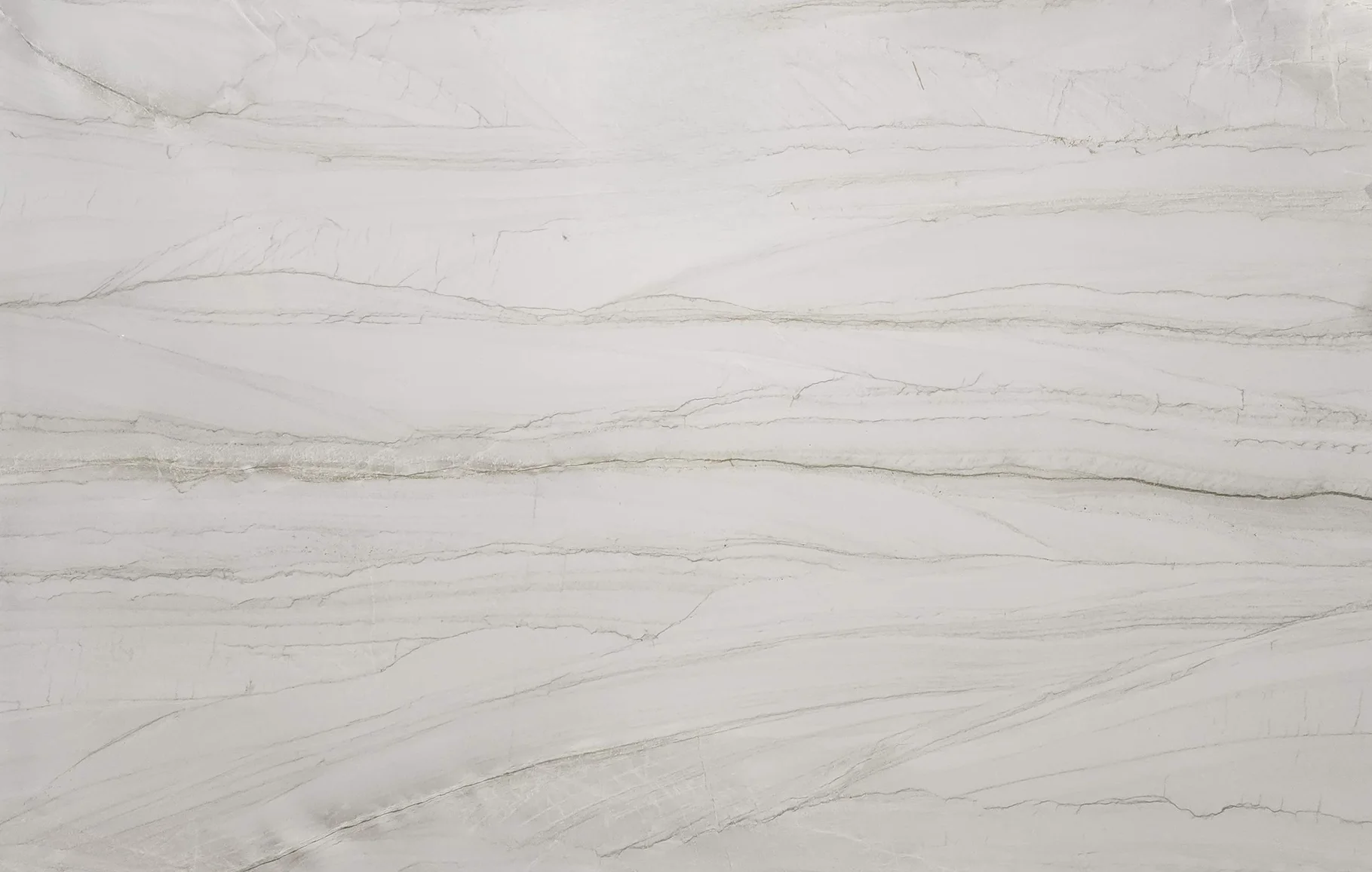
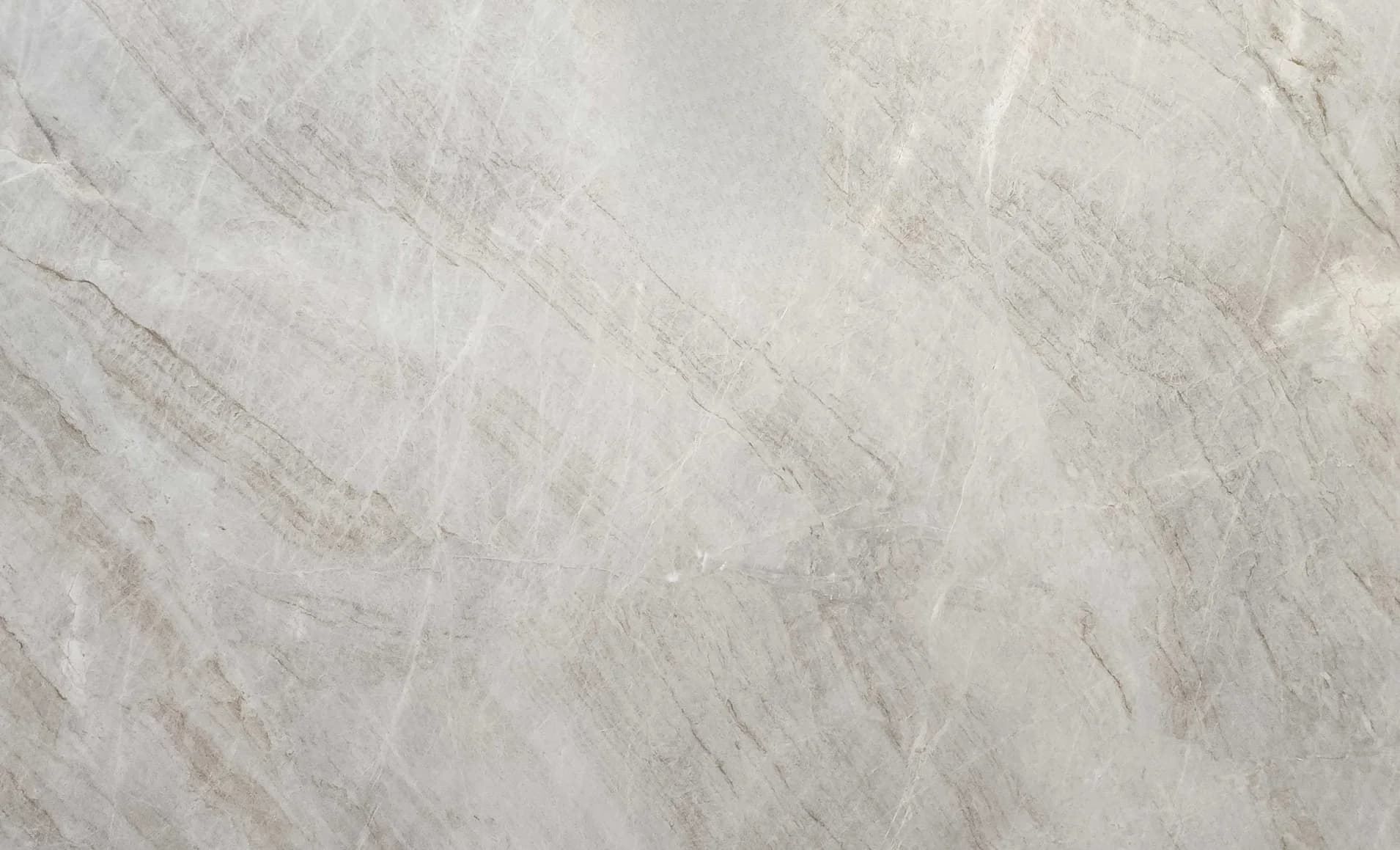
MykonosPlain listing
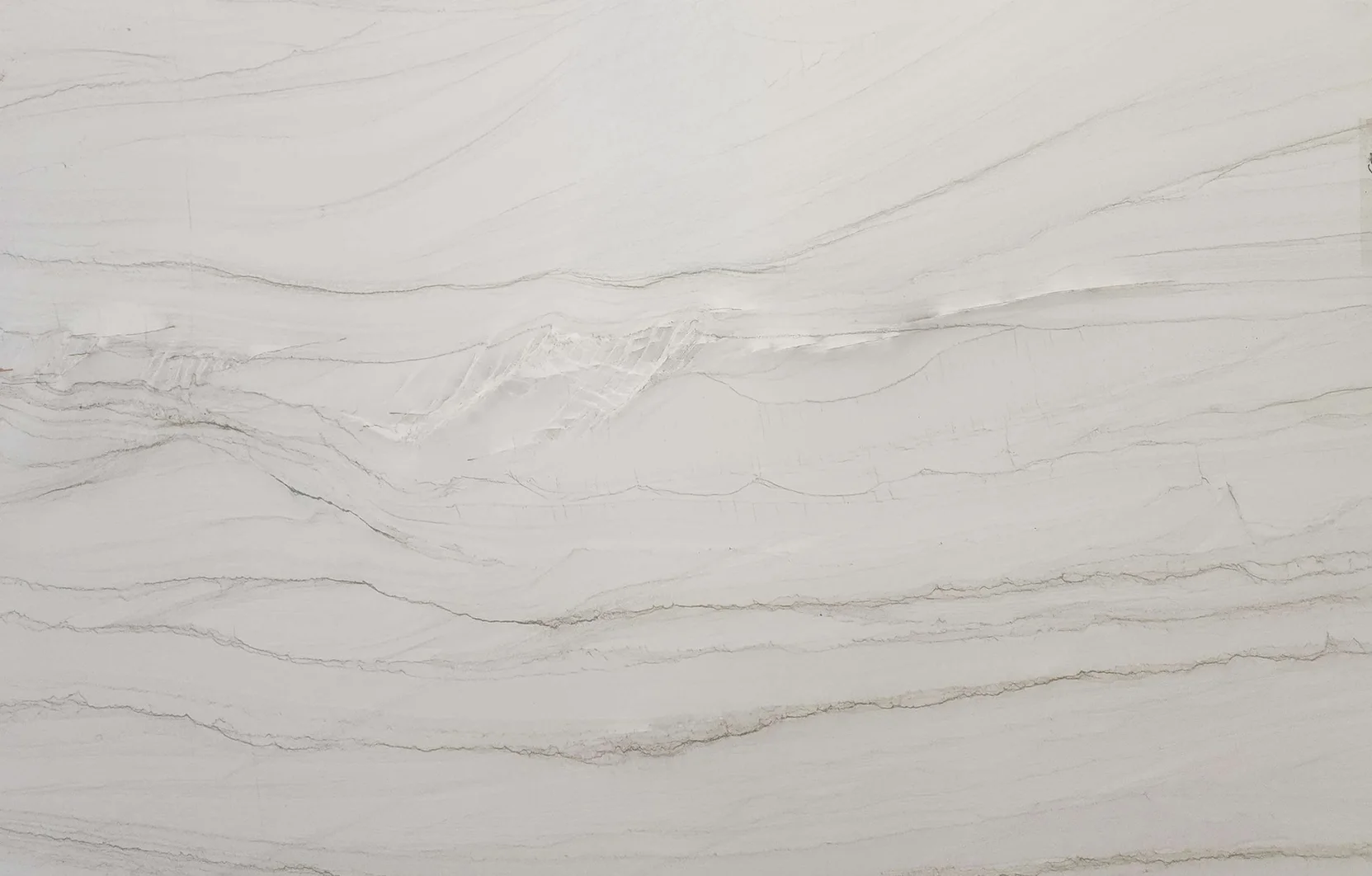
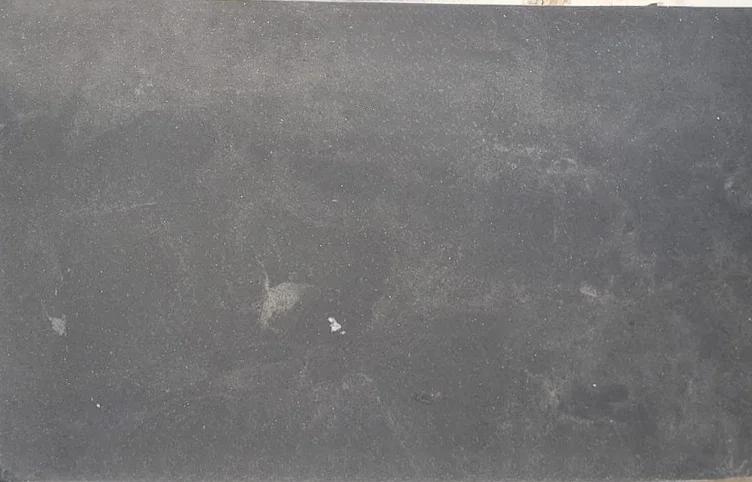
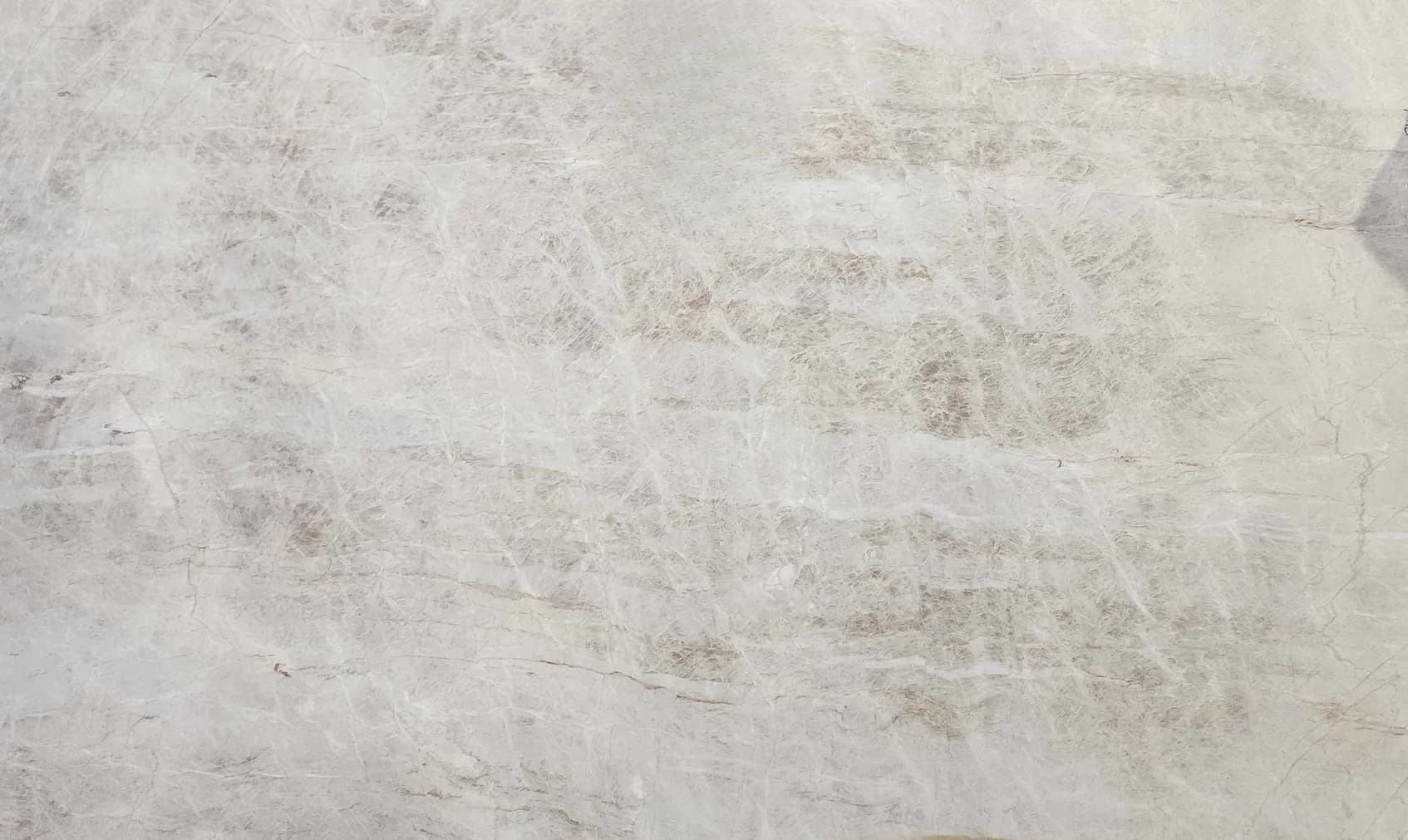
Mykonos HonedHoned
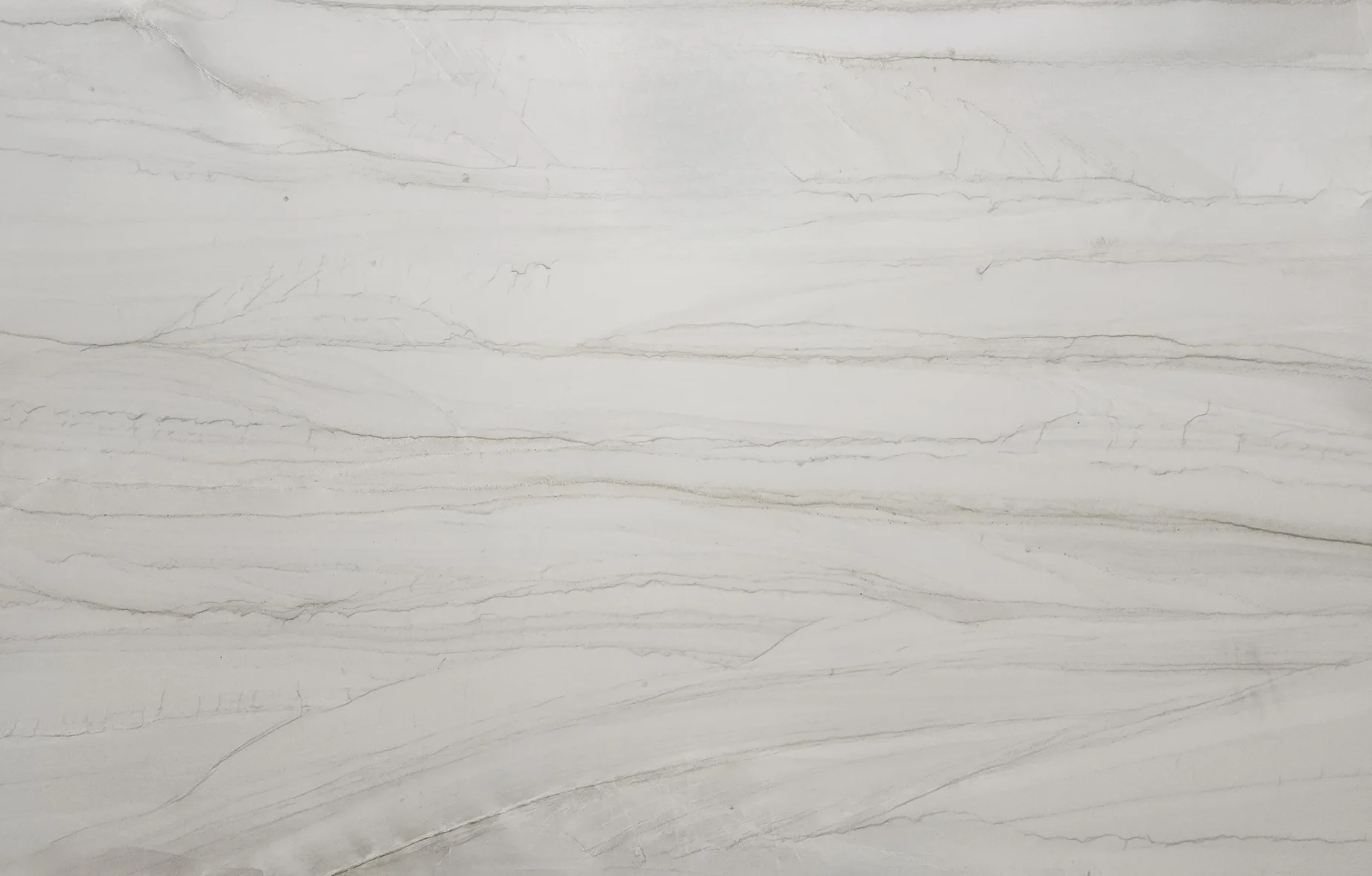
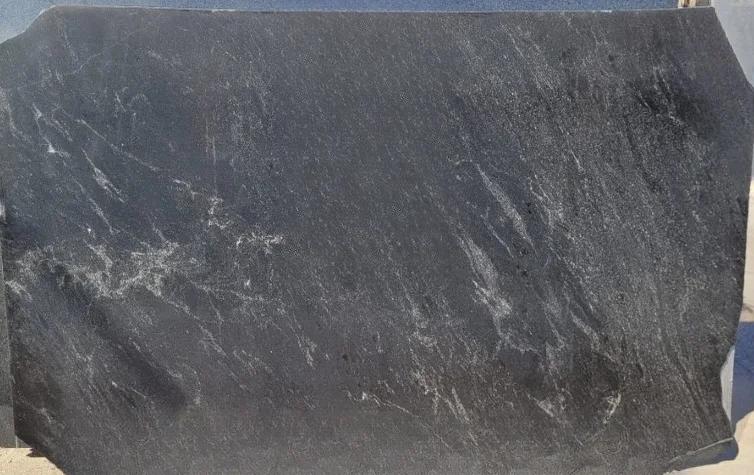
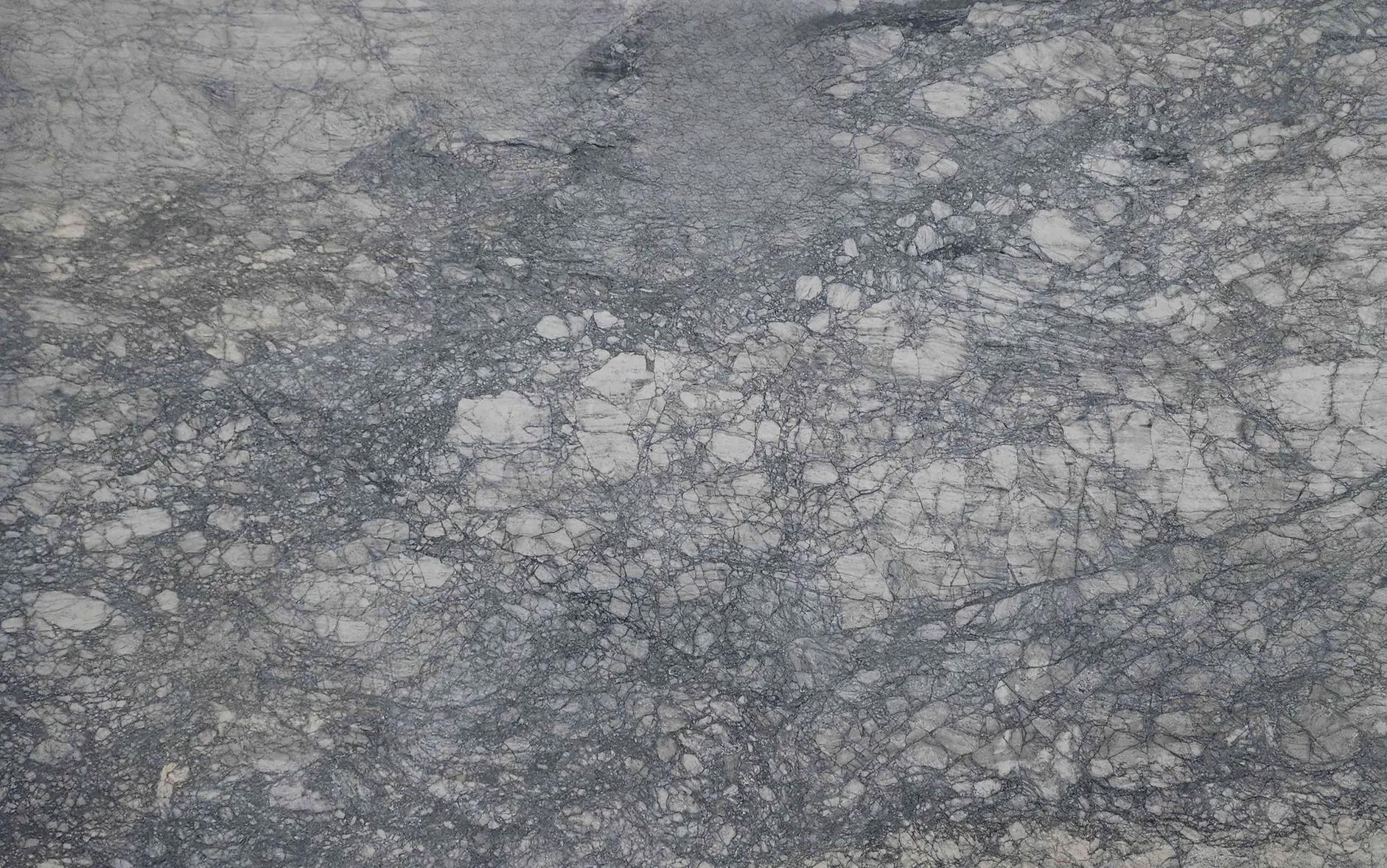
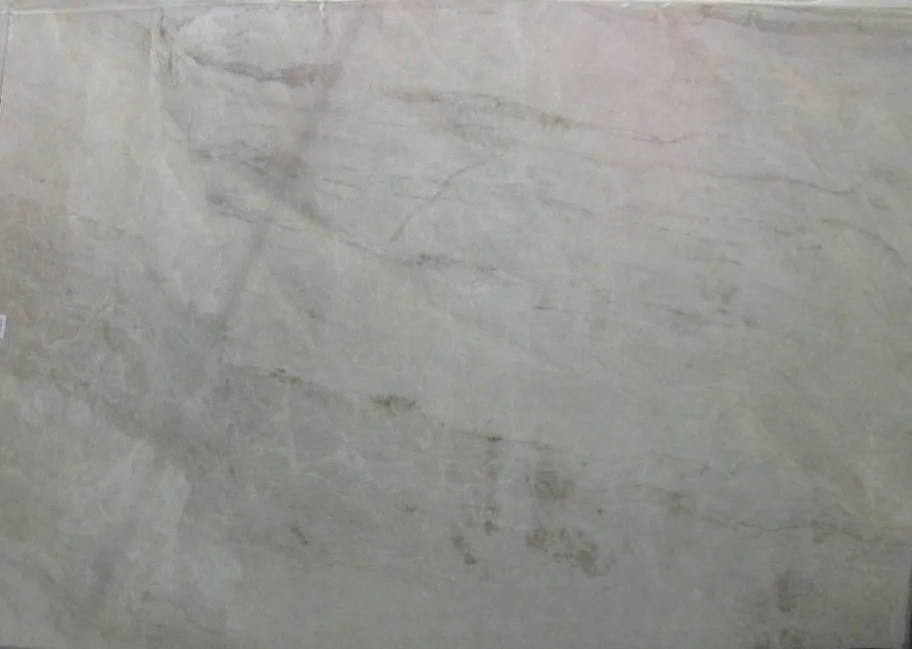
Mykonos LeatherLeathered
What is the difference between honed and polished granite?
Polished is glossy and reflective, honed is matte and satin, and leathered sits between them with a texture. Everything else follows from how much of the surface is left smooth.94
Sheen
- Honed
- Matte or satin, does not reflect light9
Color depth
Fingerprints and water spots
- Polished
- Shows them, but oily prints wipe off cleanly9
Pores and sealing
Etching on marble
Slip
| Compared on | Polished | Honed | Leathered |
|---|---|---|---|
| Sheen | Mirror-like, highly reflective149 | Matte or satin, does not reflect light9 | Low sheen, semi-reflective8; a soft patina, not reflective4 |
| Color depth | Deepest; slightly darker and more vibrant149 | Lighter; darker shades look lighter or grayer14, though the stone’s overall color and depth are preserved4 | Keeps much of the depth814; one wholesaler says it often darkens granite15 |
| Fingerprints and water spots | Shows them, but oily prints wipe off cleanly9 | Dark stone shows smears9and white mineral marks where water dries10 | Hides prints, smudges, water spots and crumbs14; the texture can trap debris10 |
| Pores and sealing | More pores sealed, resists stains best14 | More porous, absorbs oil more easily9 | Sources disagree: slightly more open than polished8, closed4, or it varies by stone13 |
| Etching on marble | Shows it very visibly916 | Conceals it9, as a lighter, smoother patch10 | An antiqued look that masks it15; less noticeable than on polished16 |
| Slip | Slick; not recommended for high traffic4 | Used for low-slip, high-traffic floors4 | A slip-resistant surface4 |
What is leathered granite?
Leathered granite has had its face brushed with diamond-tipped brushes. The result is a soft matte texture of small dimples and ridges, a little like worn leather.1415 It is applied after the stone is cut, not a different kind of granite, and the same finish goes on quartzite and marble.8
A granite quarrier says the brush wears softer grains more than harder ones, leaving a matte look with a subtle luster and soft raised ridges.5 Stone Curators calls leathered a special case of a brushed finish, machine-brushed with brushes of varying coarseness.4 Listings say leather or leathered; they mean the same thing.
How are polished, honed and leathered finishes made?
Polished and honed faces are ground with diamond pads from coarse to fine, and the finish is where the sequence stops. Leathered adds a separate brushing step.
One tool maker says 800 grit gives a satin look and the mirror comes from 1500 up.7 Two rules explain why a badly done finish shows. Never skip a grit: jumping from 200 to 800 leaves deep scratches that later grits cannot remove, which show as swirl marks.7 And wet work is the standard for the best finish, because water keeps the pads cool and the dust down.7
Leathered is made with brushes, not pads
Diamond-tipped brushes, flexible heads with diamond abrasive or silicon carbide segments, run over the face under water. They often start coarse for more texture and finish fine.8 SlabWise, a maker of fabrication quoting software, gives brush grits of 50 or 60, then 100 or 120, then 200. An optional 400 gives a smoother leather. Each pass overlaps the last by half and the water never stops.13
The sources disagree about the starting face. One removes the factory polish first to leave a honed surface. Another starts from a factory-polished slab and lets a honed one skip the coarsest step.813 Leathering is an extra pass over a finished face.
Does the finish change a stone’s color?
Yes, mostly by how much light the surface sends back. The comparison table covers polished and honed. One tooling maker calls polishing often the only way to show the full depth of a dark stone.9 Leathered is where the sources split. Two say it keeps most of the stone’s color, and the first adds the richness of blacks, blues and deep browns.814 A wholesaler says it often darkens granite and highlights the mica crystals.15 SlabWise adds a limit: very uniform, fine-grained granites with little mineral contrast end up matte gray rather than textured.13
Which finish hides fingerprints and water spots best?
Leathered. MSI says it hides fingerprints, smudges, water spots and even crumbs,14 a stone wholesaler calls it the champion of hiding fingerprints on countertops,15 and a tooling maker says it conceals both better than polished or honed.9 Texture breaks up the reflection a mark would otherwise sit on.
Honed surprises people. On dark honed stone, oily prints show as a lighter smear where on polished black granite they wipe off cleanly.9 Water left to evaporate leaves white mineral marks, so dry a honed surface after wiping it. The same care guide names dark honed granites as the most notorious for showing prints.10
Leathered has its own cost: the micro-ridges can trap debris, so use a soft cloth and a gentle scrub, not a quick swipe.10
Do honed and leathered granite countertops need more sealing?
Sources say honed does and disagree about leathered, but most granite does not need sealing. The Natural Stone Institute says many countertops still gain from it, since a sealer further reduces moisture moving into a surface that already resists it.1
For honed, the case is stronger. A tooling maker advises a high-quality impregnating sealer, typically renewed each year.9 Its care guide says honed marble every 6 to 9 months and honed granite every 12 to 18. It adds a monthly water-drop test, because a matte face hides a failing seal.10 MSI, writing about polished granite, says the sealed pores mean it needs resealing less often.14
For leathered, the range runs from yearly to every five years. One tooling maker says brushing opens the pores slightly more than polishing and advises a penetrating sealer at installation and again each year.8 The SlabWise shop guide says brushing can close some pores and open others, so test first, since a dense granite may need no sealer. It advises a penetrating impregnating sealer, not a topical coating, and estimates three to five years of protection.13 Run the water-drop test on your own slab.
Which finish hides etching on marble?
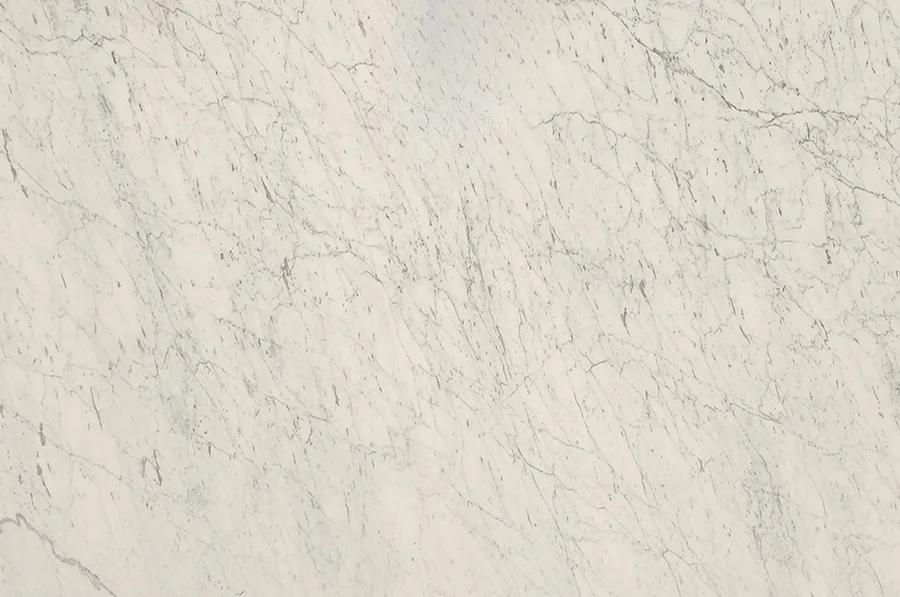
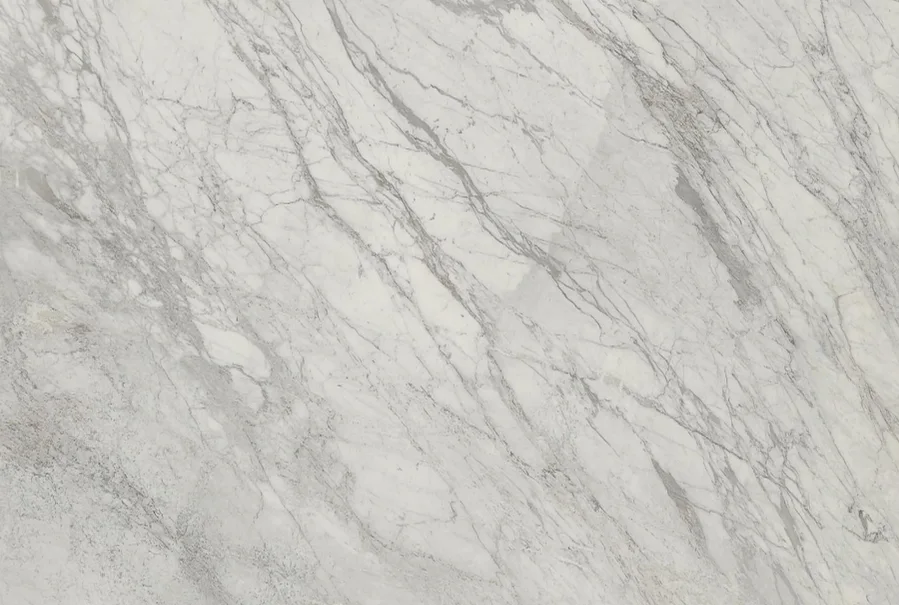
Honed or leathered, according to most sources. Etch marks are caused by acids left on the stone, and some materials etch the finish without leaving a stain.3 The Institute’s Use Natural Stone site says polished slabs typically show more noticeable etching than honed or leathered ones,16 as does a professional quoted in another article.17 A tooling maker explains why: on polished marble the dulled patch sits against a gloss, and honing conceals it because the face is already matte.9 A wholesaler adds that leathered marble gets an antiqued look that masks it.15
Neither makes marble immune: sealers do not protect a stone from acid.16 One tooling-maker care guide says the etch on honed marble is a slightly lighter, smoother patch instead of a dull, rough one. It says both are equally noticeable.10 Another of its pages says etching is far less noticeable on honed marble, so the sources do not agree on how much honing helps.9
To treat an etch, the Institute says remove any stain, wet the surface and sprinkle on marble polishing powder. Rub it in and keep buffing until the mark disappears. Call a stone restorer for areas you cannot remove.3
Which finish is the least slippery?
Leathered and honed grip better than polished, which matters on floors and steps more than on countertops. Stone Curators says polishing reduces slip resistance.4
Floors are measured by the dynamic coefficient of friction, DCOF. For tile, the industry’s benchmark for a level interior space walked on when wet is a wet DCOF of 0.42 or greater, measured under ANSI A326.3.12 Daltile says ANSI A137.1, the tile specification, sets it.18
Leathered stone is published at a higher wet DCOF than polished
- Polished stone0.20 to 0.36
- Honed marble0.38 to 0.52
- Leathered granite and quartzite0.48 to 0.60
Which stones take a leathered or honed finish?
Granite takes leathered best. A tooling maker rates granite excellent, with a mineral mix that gives a varied texture when brushed, quartzite very good, and marble good with caveats.8 A wholesaler agrees that dense granite takes it beautifully.15 The quarrier says it suits granite, marble, limestone and even soapstone.5
Leathered quartzite and marble behave differently. The same tooling maker says quartzite’s hardness gives a subtler texture, and leathered marble keeps all of marble’s sensitivity to acid etching.8 Very hard, fine-grained granites take longer and wear brushes faster.13 Limestone and travertine suit a more heavily textured finish than leathered.8
MSI says not every color can be honed or leathered, because mineral content may compromise the slab’s integrity. The fabricator decides what a given slab can take.14
At the yard, the leather finish is listed on quartzite, granite, marble, quartz, and porcelain slabs, and honed on marble, quartzite, granite, travertine, porcelain, and soapstone slabs, going by the feed.
One name needs care. KLZ lists Taj Mahal Leather under quartzite and Taj Mahal Quartz Leather under quartz. A search for leathered Taj Mahal quartzite wants the first. The second is a different material that shares the name.
Are honed and leathered black granite countertops a good idea?
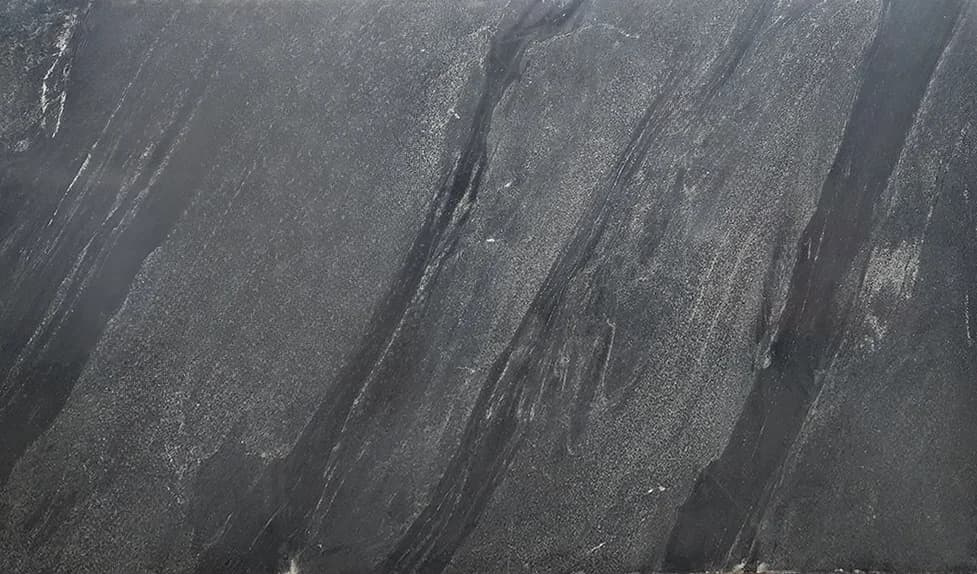
Leathered black granite is the safer of the two. Honed black granite shows more prints and water marks than polished,109 polished shows its depth best,9 and leathered keeps much of that richness while hiding marks.814 A wholesaler calls it a dramatic, moody choice.15
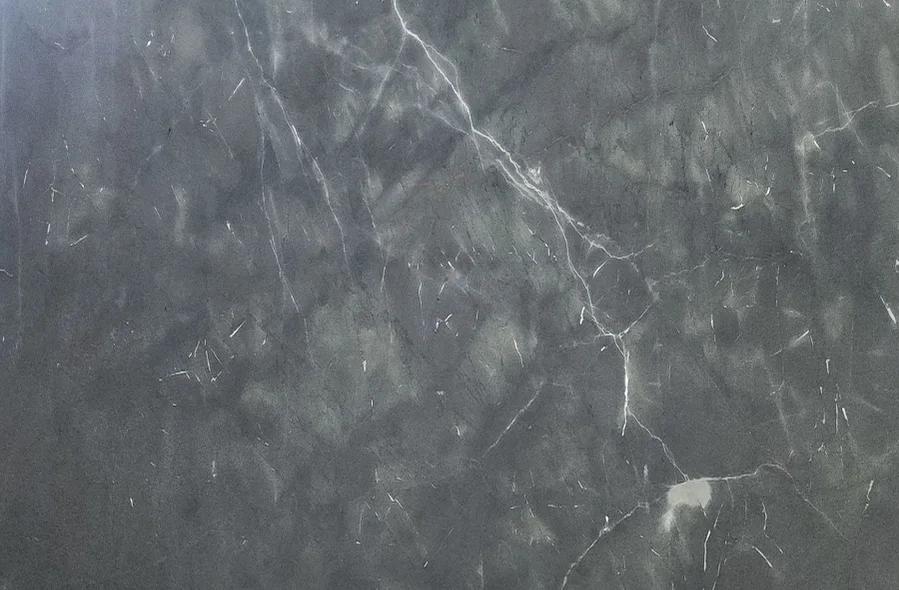
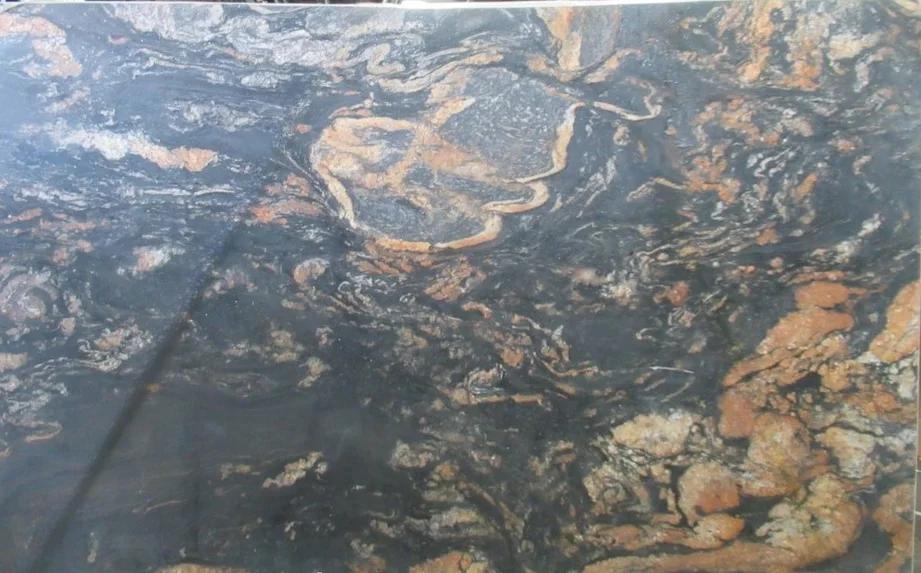
Among the black granites in the feed, these carry a honed or leathered finish in their listing: Absolute Black Leather, Black Mist Honed, Black Mist Leather, Black Pearl Leather, Black Taurus Leather, Black Velvet Honed, Brazilian Black Leather, and Cosmic Black Leather, and others. Not every listing has a photograph yet.
What does “dual finish” mean on a slab listing?
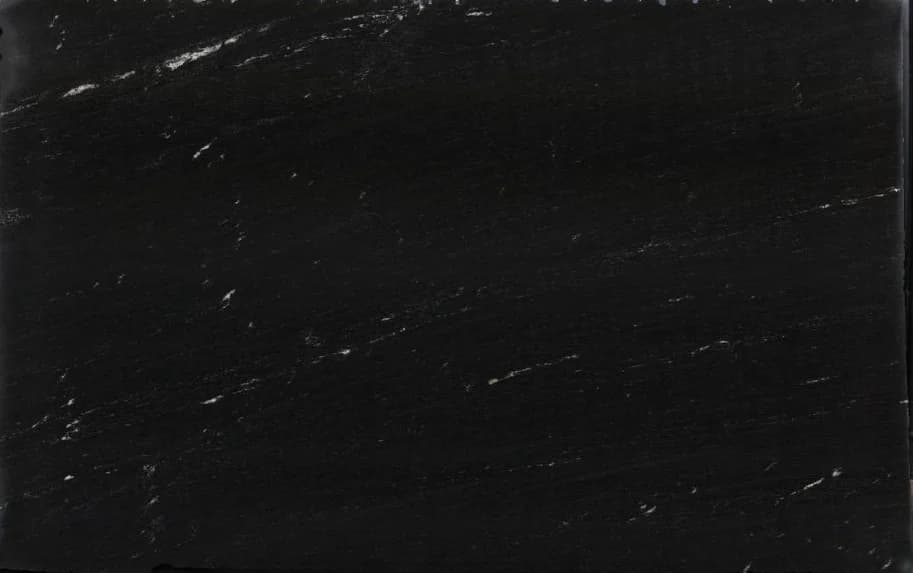
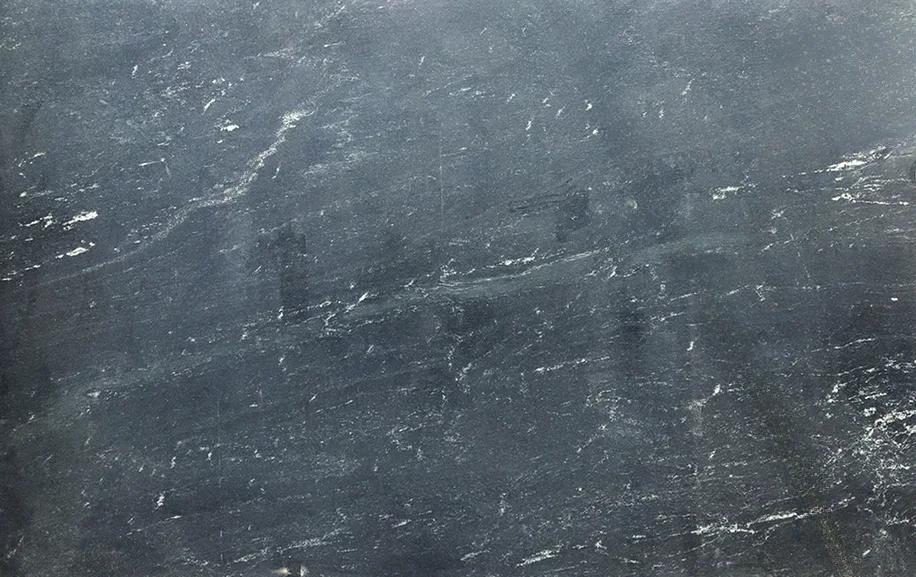
KLZ’s listing says Dual Finish and nothing more, so what the slab carries is a question for the yard. The granites listed that way include Absolute Black, Black Pearl, Blue Pearl, Brazilian Black, Jaguar, and Negresco. Ask which finishes the slab has, which face carries which, and whether you can see both before you choose.
Can you change a finish later?
Yes, with professional equipment, but an installed countertop is the hardest case and the work is labor-intensive. Polished stone can be honed by grinding with progressively finer diamond pads, and honed stone re-polished by working up through finer grits.9
Leathered is the hardest to take back. A care guide says a leathered texture cannot easily be restored without diamond brushing equipment, while light re-honing with diamond pads at the right grit brings back a consistent matte look, and the stone should be resealed right after restoration work.10 MSI notes that damage to a leathered surface is harder to repair and a larger area, or the whole countertop, may need refinishing.14 On marble, a polished top with etching can be re-polished professionally every few years.9
Which finish fits your kitchen, bar, vanity, outdoor space or floor?
It depends on the surface and the stone, and the finish tool gives the lean for five uses.
Tool
Finish comparison and chooser
See one stone in KLZ’s own photographs, then choose where it will go. The answer is a lean from the numbered sources, not a test of a slab.
Plain listingMykonos HonedMykonos Honed LeatheredMykonos Leather
Each photograph is a whole slab as shot at the yard, not graded or cropped. The finishes are different slabs, often in different light, so the pattern changes as well as the surface, and a screen flattens sheen and texture. “Plain listing” means the yard’s listing names no finish; ask which face the slab carries. A sample in your hand, wet and dry, is the real comparison.
Which finish fits?
Pick where the stone goes. Each line of the answer links to its numbered source.
Leans toward
Polished or leathered. Test honed first.
- 1 Polished
- 2 Leathered
- 3 Honed
- Polishing seals more of the surface pores, so MSI describes polished granite as the finish that resists stains and bacteria and repels water best.14
- On polished black granite, oily prints wipe off cleanly. On honed they show as a lighter smear.9
- Leathered granite hides fingerprints, smudges, water spots and crumbs.14
- The texture can trap debris in micro-ridges, so leathered wants a soft cloth rather than a quick swipe.10
Sources disagree on leathered absorption: one says brushing opens the pores slightly more than polishing, another that a leathered surface has closed pores. Where the sources disagree, the point says so. A sample of the exact slab, wet and dry, settles what a page cannot.
Assumes a home surface in normal daily use, sealed as the stone calls for, with no commercial or ADA requirement. A lean from published pages, not a test of any KLZ slab.
What should you check before you choose a finish?
Five checks settle most of it. None needs a number from this page.
See the exact slab, wet and dry
Photographs flatten sheen and texture. Visit the showroom and look at the slab in the finish you are considering, in daylight if you can.Ask for both finishes of the same stone
Pattern and finish together decide how a stone looks. Ask your fabricator to quote and show each.On marble, plan for acid
Honed or leathered hides an etch but does not prevent it, and a sealer does not stop acid either.916 Read stone care before you commit.On a floor, ask for a DCOF result
Ask for the number on the exact stone and finish. A wet DCOF of 0.42 is only a tile benchmark.12Test, then decide about sealing
Most granite does not need a sealer,1 and a leathered or honed slab is worth a water-drop test before you buy one.10 To place a finish in a real room, try the visualizer.
Browse granite, quartzite and marble at KLZ, and look for Honed, Leather or Dual Finish in a listing’s name.
Questions people ask
What is leathered granite?
Leathered granite is granite whose face has been brushed with diamond-tipped brushes after cutting, leaving a soft, slightly undulating matte texture with a low sheen. It is a surface treatment, not a different stone, and most often starts from a honed or polished face.
Source: Dynamic Stone Tools, Leathered, Brushed and Caressed Stone Finishes Explained
What is the difference between honed and polished granite?
Polished granite is ground through finer diamond grits, ending at 1500 to 3000, to a mirror-like gloss. Honed granite stops at 400 to 800 grit and has a smooth, matte, satin face. Polished shows the deepest color and is the most stain-resistant of the two; honed looks lighter and is more porous.
Is honed granite harder to maintain than polished?
Usually a little. Sources describe honed stone as more porous, so it absorbs oil more easily and wants a good impregnating sealer, and on dark stone it shows fingerprints and water marks more. The Natural Stone Institute says most granite countertops do not need to be sealed, so test your slab rather than assume.
Source: Natural Stone Institute, Sealing Natural Stone Countertops
Does leathered granite need sealing?
The Natural Stone Institute says most granite countertops do not need to be sealed, though many gain from it. For leathered granite, the SlabWise shop guide says to test absorption first and use a penetrating sealer, not a topical coating; a tooling maker advises sealing at installation.
Source: SlabWise, How to Create a Leathered Texture on Granite in a Shop
Is leathered quartzite a good idea?
One tooling maker rates quartzite very good for a leathered finish, with a subtler texture than granite because the stone is so hard. Another of its pages says leathered finishes work exceptionally well on darker granites and quartzites and conceal fingerprints and water spots better than polished or honed. Check the exact slab, because not all stones respond equally to leathering.
Source: Dynamic Stone Tools, Leathered, Brushed and Caressed Stone Finishes Explained
Does honed black granite show fingerprints?
Yes, more than polished or leathered. One care guide calls dark honed granite the most notorious for showing fingerprints and water marks, and another source says oily prints on polished black granite wipe clean while on honed they show as a lighter smear.
Source: Dynamic Stone Tools, Leathered & Honed Stone: Professional Care Guide
Which finish is the least slippery?
Leathered and honed finishes grip better than polished. For tile, the industry's benchmark for a level interior floor expected to be walked on when wet is a wet DCOF of 0.42 or greater, measured under ANSI A326.3, and one tooling maker's published figures put polished stone below that line. It is a floor measure, not a countertop one.
Source: Crossville, Porcelain Tile DCOF Ratings and Applications
Can you change a countertop's finish later?
Yes, with professional equipment. A polished stone can be honed by grinding down with diamond pads, and a honed one re-polished by working up through finer grits. A leathered texture cannot easily be restored without diamond brushing equipment, and damage to it may mean refinishing a larger area.
Sources
Each page was read on unless its own date is given.
- 1Natural Stone Institute, Statement of Position on Sealing Natural Stone Countertops (adopted November 8, 2006)
- 2Natural Stone Institute, Technical Bulletin: A Study of the Cleanability of Marble and Granite Countertop Materials (February 2006)
- 3Natural Stone Institute, Remove Stains from Stone Applications
- 4Stone Curators, Surface Profile (published February 23, 2020)
- 5Steve Schrenk, Try and Keep Your Hands Off This Countertop, Polycor (2016, updated 2025)
- 6Dynamic Stone Tools, Grit Progression by Stone Type: Polishing Sequences Guide
- 7Dinosaw Machinery, How to Choose the Right Grit Sequence for Granite, Marble and Quartz (September 3, 2025)
- 8Dynamic Stone Tools, Leathered, Brushed and Caressed Stone Finishes Explained
- 9Dynamic Stone Tools, Honed vs. Polished Stone: Which Finish Is Right for You?
- 10Dynamic Stone Tools, Leathered & Honed Stone: Professional Care Guide
- 11Dynamic Stone Tools, Stone Slip Resistance Ratings: DCOF and Safe Floor Selection
- 12Crossville, Porcelain Tile DCOF Ratings and Applications
- 13SlabWise, How to Create a Leathered Texture on Granite in a Shop (updated July 11, 2026)
- 14MSI, Polished vs. Honed vs. Leathered Granite: Which Finish Is Right for You? (February 6, 2025)
- 15Marble Systems, The Finish Guide: When to Choose Honed vs Leathered Stone Slabs (updated January 2, 2026)
- 16Natural Stone Institute (Use Natural Stone), Karin Kirk, How to Be Your Own Stone Sleuth (February 20, 2020)
- 17Natural Stone Institute (Use Natural Stone), Stephanie Vozza, How to Care for Your Marble Countertops (February 6, 2019)
- 18Daltile, DCOF: Dynamic Coefficient of Friction